
Understanding Fatigue Damage Mechanisms of L-PBF Manufactured Lattice Structures through Experimental and Numerical Methods


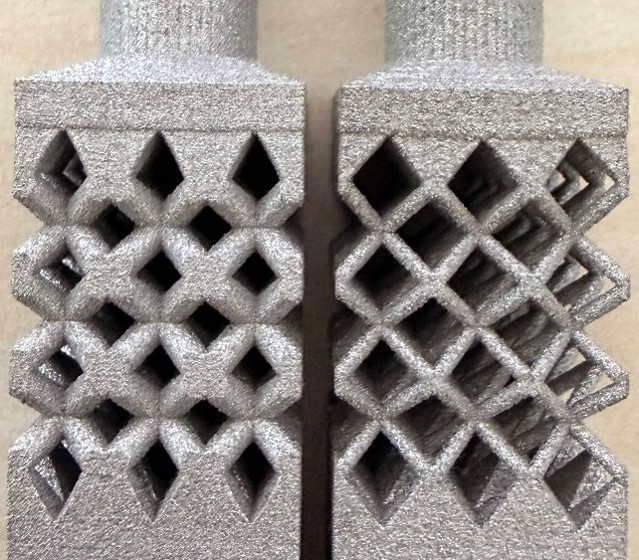
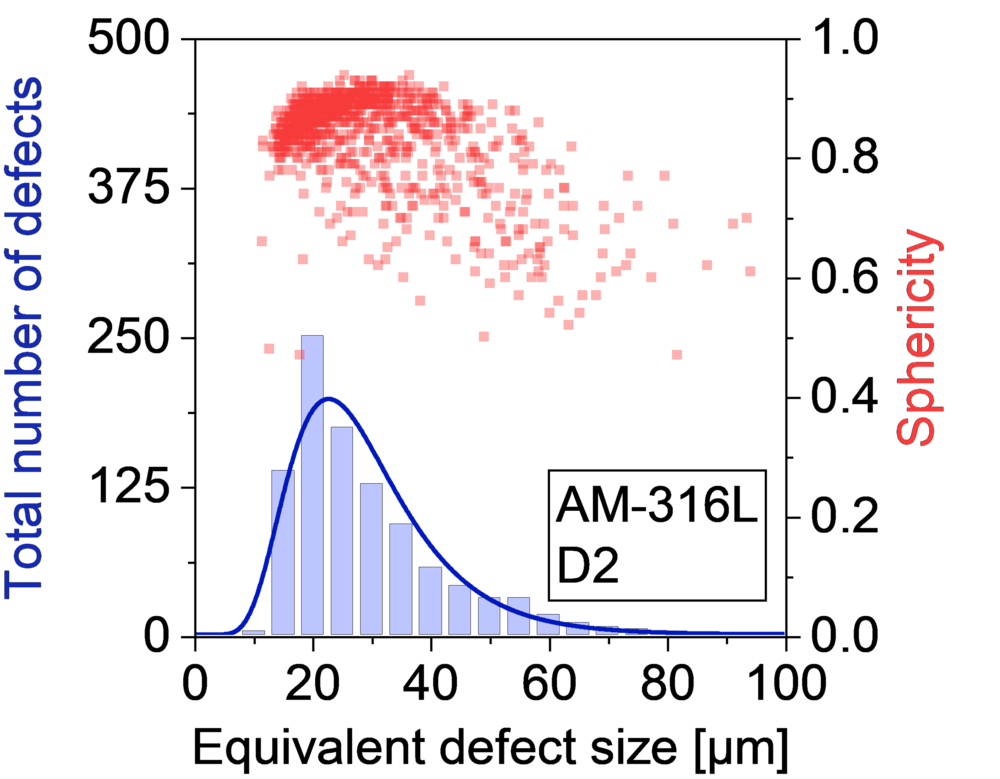
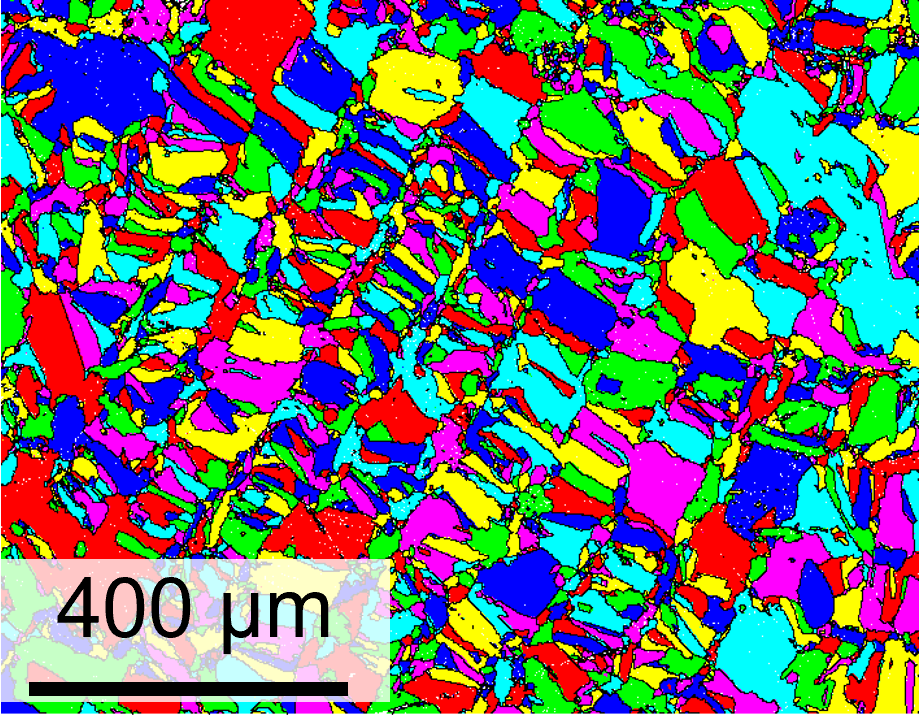
The additive manufacturing of lattice structures made of 316L austenitic stainless steel using Laser Powder Bed Fusion (PBF-LB/M) opens up new possibilities for producing high-performance lightweight structures with mechanical properties that can be tailored to specific applications. For the safe use of these structures, fatigue behavior - particularly in the very-high-cycle fatigue (VHCF) range - is of crucial importance. Due to the complex geometry of the lattice structures, as well as the process-induced microstructure, defect distribution, and residual stresses, multifaceted damage and failure mechanisms arise. Therefore, a cross-scale understanding of the relationships between microstructure, defects, and cyclic material behavior is required. The goal of the project is to link experimentally determined microstructural information with mechanical investigations and, based on this, to develop simulation models for predicting fatigue behavior extending into the VHCF range. The findings will lay the foundation for a reliable service life assessment of additively manufactured lattice structures and contribute to the further establishment of these material systems in safety-critical lightweight construction applications.
Duration: 2025 until 2027